What Is Sleep Apnea Disease?
Sleep apnea is diagnosed when more than 5 apneas and hypopneas per hour are detected during sleep. "Apnea" is a breathing pause lasting more than ten seconds during sleep; "hypopnea" is a milder form of apnea.
What Are the Most Noticeable Symptoms of Sleep Apnea?
- Snoring
- Breathing pauses noticed by a bed partner at night
- Increased daytime sleepiness
- Morning headaches, waking up feeling unrested
- Involuntary urination at night, night sweats
- Fatigue and fluctuating hypertension
Are Sleep Apnea Symptoms Different in Children?
In children, alongside nighttime breathing pauses and snoring, daytime restlessness, a decline in school performance and growth-development delays can also be seen.
Diagnostic Process
How Is Sleep Apnea Diagnosed?
It is suspected after an ENT examination; a definitive diagnosis is made with polysomnography (a sleep study). The sleep study can be done in a sleep laboratory or at your own home with advanced devices.
What Happens During a Sleep Apnea Examination?
A specialist examination of the nose, the inside of the mouth and the tonsils is followed by an endoscopic examination to identify narrow areas. Sleep endoscopy can also be performed if necessary.
Treatment Options
Treatment Alternatives for Sleep Apnea
- PAP/CPAP Therapy: The first-choice method; pressurised air keeps the upper airway open with the help of a device.
- Surgical Treatment: Staged surgical options targeting the palate, tongue base or nose.
- Oral Appliance: Devices that move the jaw and tongue forward, particularly suitable for mild-to-moderate cases.
- Weight Loss: The most important factor in increasing treatment success.
- Sleep Hygiene and Position Therapy
Surgical Treatments
Success rates have increased significantly with modern surgical techniques (expansion pharyngoplasty, anterior palatoplasty, transpalatal advancement). With appropriate treatment, it is possible to stop using a CPAP device.
In overweight patients, weight is the biggest obstacle to treatment success; bariatric surgery may also be recommended if necessary.
Sleep Apnea Treatment in Children
The most commonly applied technique is adenotonsillectomy (adenoid and tonsil surgery). Different surgical techniques may also be recommended in patients with facial development problems.
Frequently Asked Questions
Is It Possible to Stop Using a CPAP Device Through Surgery?
The success of sleep apnea treatment has increased considerably with surgical techniques developed today. With appropriate treatment planning, it is possible to stop using the device.
Does My Voice Change After Sleep Apnea Surgery?
Modern techniques do not cause an objective change in voice resonance or tone. We recommend additional assessment beforehand for professional voice users.
Can Surgery Be Performed Without Removing the Uvula?
Yes, it absolutely does not need to be removed. Because the uvula's contribution to swallowing is significant, we do not remove it with our current techniques.
Book an Appointment
Book an appointment to get detailed information on sleep apnea treatment or for a consultation.
Book Now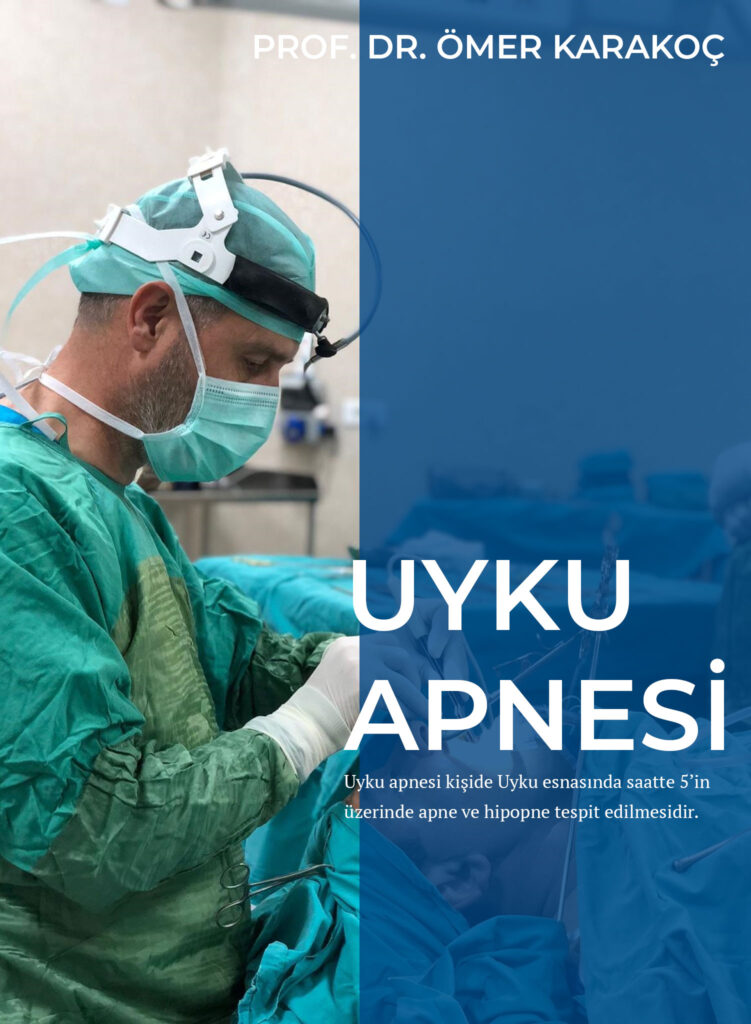
Take a sleep apnea test at your own home, without going to a hospital.
Visit uykuapnesitesti.com →