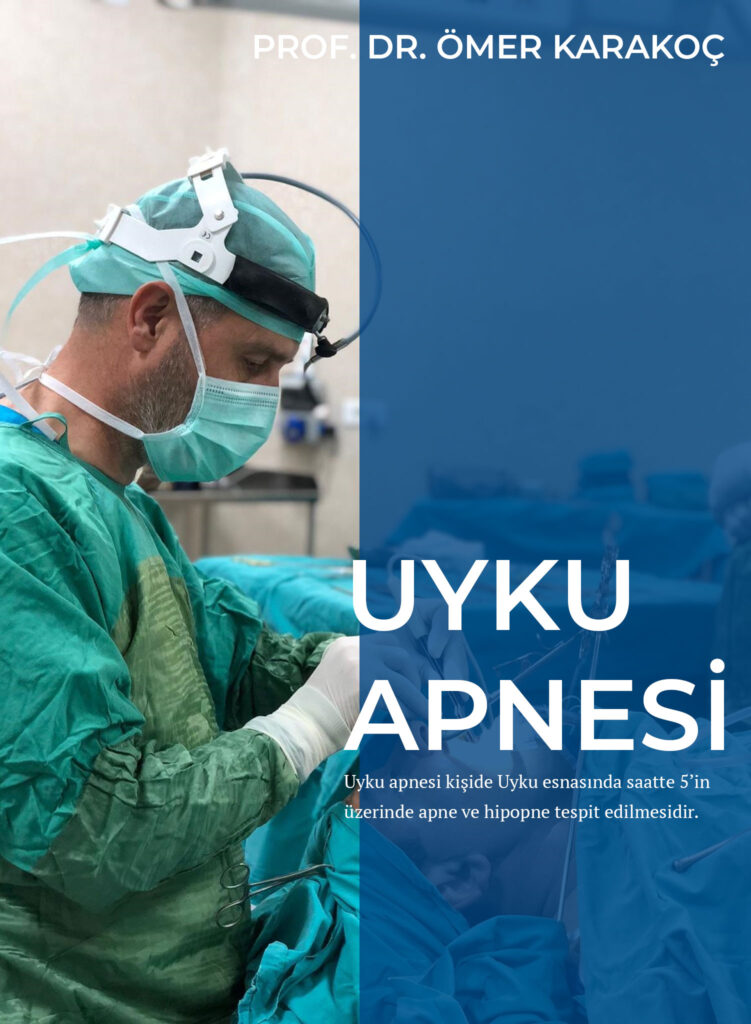
What Is Sleep Apnea?
Sleep apnea is the temporary stopping or shallowing of breathing caused by the repeated blocking of the upper airway during sleep. With experience in sleep apnea and snoring treatment in Ankara, Prof. Dr. Ömer Karakoç manages the entire process, from diagnosis to treatment, with his ENT expertise. Left untreated, it can progress to excessive daytime fatigue, loss of concentration and, over time, a condition that adversely affects the cardiovascular system.
Snoring and sleep apnea are often confused; while snoring alone can be harmless, snoring with apnea is accompanied by breathing pauses and always requires medical assessment.
Symptoms / Who Is a Candidate
- Loud, irregular snoring.
- Breathing pauses observed during sleep.
- Waking with a morning headache and dry mouth.
- Excessive daytime sleepiness, difficulty concentrating.
- Frequent waking at night, restless sleep.
Diagnostic Methods
At the first consultation, the nose, throat and neck area are assessed endoscopically; anatomical causes that may lead to obstruction (a deviated nose, enlarged tonsils, soft palate structure) are examined. Polysomnography (a sleep study) is required for a definitive diagnosis; this test records breathing, oxygen saturation and sleep stages during sleep to reveal the severity of the apnea (mild/moderate/severe).
Treatment Methods
- CPAP Therapy: A device used during sleep regulates airway pressure to prevent the airway from closing. It is often the first choice for moderate-to-severe apnea.
- Surgical Intervention: Corrective operations targeting structural issues causing nasal obstruction, enlarged tonsils or soft palate structure; considered for patients who cannot tolerate CPAP or who have an anatomical cause.
- Lifestyle Changes: Weight control, sleep-position adjustments and reducing alcohol/sedative use support treatment.
Which method is appropriate is determined on a patient-by-patient basis according to the sleep study result and the anatomical findings at examination.
Post-Treatment Follow-Up
Recovery for patients who undergo surgical treatment generally takes 1-2 weeks. For patients started on CPAP therapy, device compliance and pressure settings are monitored with periodic check-ups. The effectiveness of treatment is assessed with repeat sleep studies if needed.
Why Choose Prof. Dr. Ömer Karakoç?
Prof. Dr. Ömer Karakoç evaluates diagnosis, CPAP follow-up and surgical options for sleep apnea and snoring treatment under one roof, determining the most suitable path for the patient together. At his clinic in Çankaya, Ankara, the process is closely followed from the sleep study through to post-treatment check-ups.
Frequently Asked Questions
What happens if sleep apnea is left untreated?
Untreated moderate-to-severe sleep apnea can, over time, increase the risk of high blood pressure, cardiac arrhythmias and accidents related to excessive daytime sleepiness. It is therefore recommended to seek assessment as soon as symptoms are noticed.
Do I need a CPAP device or surgery, and how is this decided?
This decision is made based on the severity of apnea found in the polysomnography (sleep study) result and the anatomical findings at examination (nose, tonsils, soft palate structure). In some patients, both methods may be considered together.
How is the sleep study (polysomnography) performed, is it painful?
The test is performed with painless sensors that record breathing, oxygen levels and sleep stages during sleep. It can be carried out by staying overnight in hospital or, in some cases, with a portable device at home.
Are snoring and sleep apnea the same thing?
No. Snoring is the sound created by airflow vibrating in a narrowed passage and can occur on its own. In sleep apnea, this is accompanied by repeated pauses in breathing and requires medical assessment.
Does snoring go away completely after surgery?
Since surgery targets the anatomical cause behind the snoring, it provides significant improvement in most patients. The extent of the result can vary depending on the source of the obstruction and the patient's overall structure; this is assessed at the pre-operative consultation.
Does sleep apnea also occur in children?
Yes, in children sleep apnea is usually caused by enlarged tonsils and adenoids. You can review our Pediatric ENT page for more detailed information on this topic.
Book an Appointment
Book an online appointment to get detailed information about Sleep Apnea and Snoring Treatment or for a consultation.
Book Now